
VS1 means “Very Slightly Included 1.” It sits below VVS2 and above VS2 on the GIA clarity scale. Every VS1 diamond is 100% eye-clean. Inclusions are invisible to the naked eye. Even at 10x magnification, they are small and hard to find. In 2026, VS1 is the sweet-spot clarity for engagement rings. It looks identical to VVS1 face-up at 30–50% lower cost. A 1-carat VS1 natural diamond starts around $4,200. The same spec in lab-grown starts around $900.
VS1 Clarity Diamond 2026 — 60-Second Answer
- Scale position: VS1 sits 4th from the top on the GIA clarity scale: FL → IF → VVS1 → VVS2 → VS1 → VS2 → SI1 → SI2 → I1 → I2 → I3.
- Eye-clean? Yes — 100% of VS1 diamonds are eye-clean. Inclusions are invisible to the naked eye and most are hard to spot even under a 10x loupe.
- Price (1 ct, 2026): Natural G-color VS1 round: $4,200–$5,800. Lab-grown F-color VS1 round: $900–$1,500. Moissanite VVS1-equivalent: $499.
- Best color pairing: VS1 pairs well with G-H color for best value. Pair with D-F only if your setting is platinum or white gold.
- Where to buy: Blue Nile (ex-James Allen) for HD video inspection (confirms eye-clean before buying). Rare Carat for cross-vendor price comparison.
- 5 traps to avoid: Buying VVS1 (overpaying), buying SI1 as “eye-clean” (not always), buying without video, buying from Best Brilliance without a GIA cert, pairing VS1 with K+ color in a white setting.
Mehedi’s take: “VS1 is the sweet-spot clarity in 2026. Every VS1 is eye-clean. Clients who upgrade to VVS1 pay 30–50% more for a difference only a loupe reveals. VS1 is the smart money.” — Mehedi Hasan, Diamond Industry Veteran
Yes, a GIA-certified VS1 clarity diamond is not just good investment; it is the single smartest choice for a buyer who wants a visually flawless diamond that holds strong relative value over time.
You’re staring at two diamonds on your screen. One is a VVS1 diamond, technically near-flawless, with a price tag to match. The other is a VS1, and it costs thousands less. Your eyes dart between them, trying to spot a difference, but you can’t. You’re left with a nagging question: Is VS1 clarity good enough?
Deal Alert: Mother’s Day Sale Up To 30% Off* select fine jewelry at Blue Nile.
New Collection: Shop the James Allen Collection at Blue Nile.
Vault Sale: “Clear The Vault” – Get up to 70% OFF at Blue Nile!
Flash Sale: Save up to 40% OFF sitewide at Rare Carat.
Exclusive: Get up to 60% OFF select fine jewelry at Ritani.
As a GIA-trained jeweler, I’m here to tell you that “good enough” is the wrong way to think about it. The VS1 is not a compromise; it is a strategic choice. VS1 is the sweet spot. You get a visually perfect diamond without paying the VVS1 premium.
We will break down what VS1 means and why it is the smartest clarity pick for most buyers in 2026.
Diamond IQ Test: Natural or Lab-Grown?
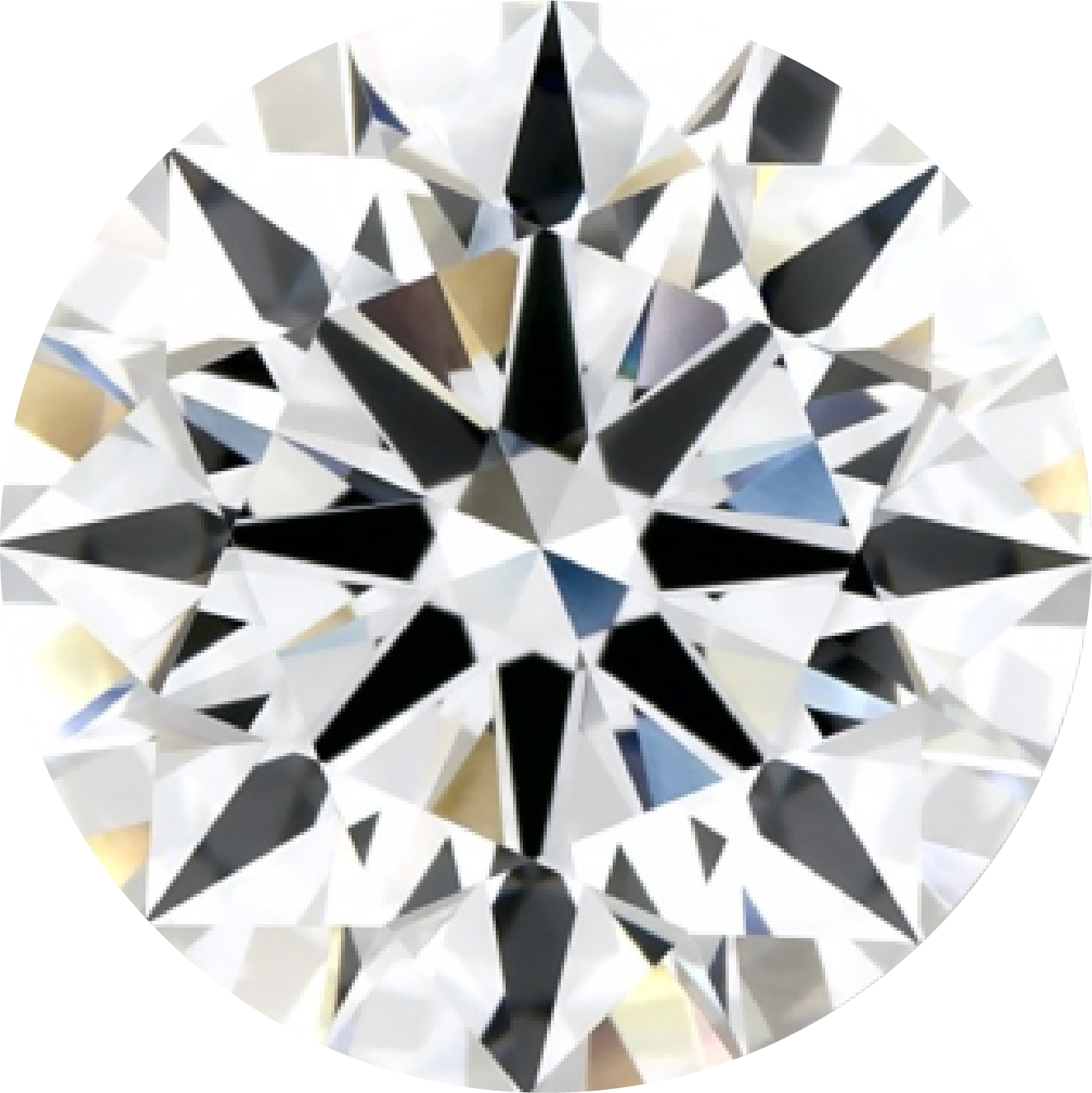
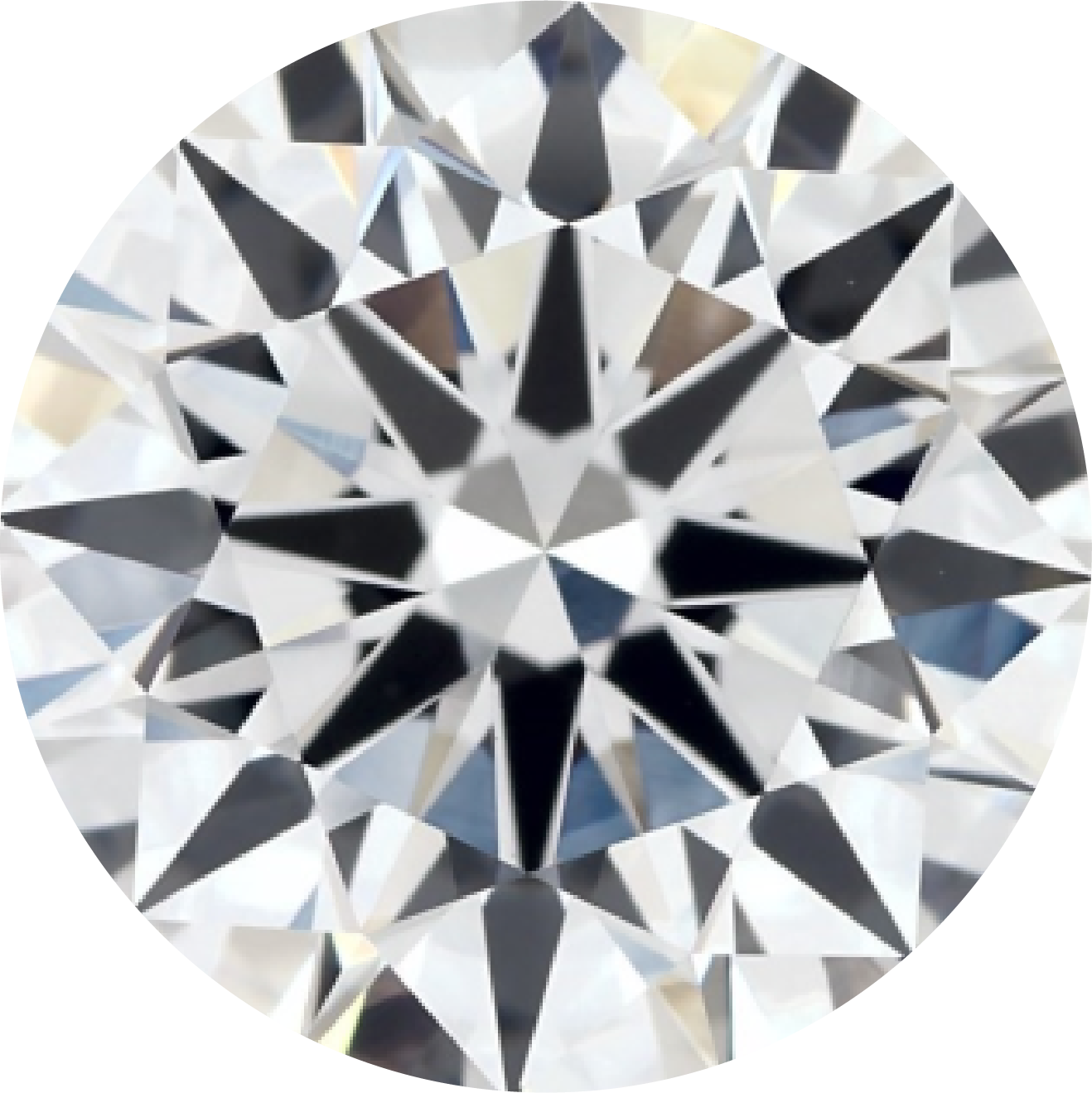
Two identical diamonds: GIA Certified, 1.51ct, D Color, VVS1, Ideal Cut. One is natural ($16,240), the other is lab-grown ($1,970). Choose the diamond you like better and see if you can match it to its origin.
Is VS1 Clarity Eye-Clean? (The 10x Loupe Test)
Yes. 100% of VS1 diamonds are eye-clean. “Eye-clean” means no inclusions are visible to the naked eye at normal viewing distance (6–12 inches). This is a hard GIA/IGI standard. Not a marketing claim. At 10x magnification, VS1 inclusions are visible but small — usually pinpoints or feathers tucked into the pavilion. The setting hides most of them anyway.
| Clarity Grade | Eye-Clean? | Visible at 10x Loupe? | Trained-Gemologist Note |
|---|---|---|---|
| FL / IF | Yes (always) | No internal inclusions | Collector-tier only. Overkill for engagement. |
| VVS1 | Yes (always) | Pinpoints extremely hard to find | Premium tier. Pay only if budget allows. |
| VVS2 | Yes (always) | Pinpoints hard to find | Nearly identical to VVS1 for cost savings. |
| VS1 | Yes (100%) | Pinpoints or small feathers visible under loupe | Sweet spot. Eye-clean at 30–50% lower price than VVS1. |
| VS2 | Yes (99% of stones) | Clear inclusions at 10x | Fine if you verify eye-clean per stone. |
| SI1 | Sometimes (depends on stone) | Inclusions clear at 10x, sometimes naked eye | Verify per stone. Halo settings forgive SI1. |
| SI2 | Rarely | Inclusions obvious at 10x, often naked eye | Skip for engagement rings. |
Verdict: VS1 is the lowest clarity grade where eye-clean is guaranteed. SI1 is “usually eye-clean” — right about the odds, wrong about certainty. For a diamond you only buy once, pay for the certainty. VS1 delivers it.
Can You See VS1 Inclusions? (With Loupe, Microscope, Naked Eye)
Naked eye? No. 10x loupe? Sometimes (small pinpoints or feathers). Microscope? Always. Here is what you see at each magnification.
- Naked eye (12 inches away): Nothing. VS1 is 100% eye-clean by definition.
- 10x jeweler’s loupe: Small pinpoints, feathers, or tiny needles. Trained gemologist spots them in 10–30 seconds. Untrained eye may miss them entirely.
- Color-corrected 10x loupe (daylight-balanced): Same as regular 10x but with accurate color rendering. A gemologist’s best friend because tinted bulbs mask subtle inclusions in regular loupes.
- 20x–40x microscope: Full inclusion map visible. GIA uses this level to grade clarity.
- Under HD video (40x zoom at Blue Nile): Pinpoints and feathers visible. The exact view you can inspect online before buying.
Verdict: Buy VS1 with HD video. Blue Nile’s ex-James Allen 40x zoom shows what a gemologist sees at 10x. Zero surprises after delivery. Skip retailers that only show still photos. You cannot confirm inclusion placement without video.
VS1 on the Diamond Clarity Scale — Where It Sits
The GIA clarity scale has 11 grades. Flawless (FL) at the top. Included 3 (I3) at the bottom. VS1 is the 4th grade from the top — in the top 36% of all diamond clarity grades. Here is the full scale with buyer context.
| Rank | Grade | Full Name | Buyer Tier | 1-ct Natural Price (G color, 2026) |
|---|---|---|---|---|
| 1 | FL | Flawless | Collector | $9,500+ |
| 2 | IF | Internally Flawless | Premium | $8,200+ |
| 3 | VVS1 | Very Very Slightly Included 1 | Premium | $6,800+ |
| 4 | VVS2 | Very Very Slightly Included 2 | Premium-value | $5,900+ |
| 5 | VS1 | Very Slightly Included 1 | Sweet spot | $4,200+ |
| 6 | VS2 | Very Slightly Included 2 | Value | $3,800+ |
| 7 | SI1 | Slightly Included 1 | Budget (verify eye-clean) | $3,200+ |
| 8 | SI2 | Slightly Included 2 | Avoid for engagement | $2,700+ |
| 9 | I1 | Included 1 | Fashion only | $2,100+ |
| 10 | I2 | Included 2 | Fashion only | $1,700+ |
| 11 | I3 | Included 3 | Skip | $1,200+ |
Verdict: VS1 sits at position 5 of 11 — top 45% of all diamond clarity grades. The three grades above (VVS1, VVS2, IF) cost 40–100% more per carat. No visible difference in a finished ring. The one grade below (VS2) saves ~10% but drops the eye-clean guarantee. VS1 is the mathematical sweet spot.
What Does VS1 Mean in Diamonds?
Before we get into the strategy of why the VS1 is my secret weapon, you need to understand what it is. In the sometimes intimidating world of GIA reports and diamond jargon, “VS1” is one of the most important terms you will ever learn.
Here is the core question answered directly: what does vs1 mean in diamonds, and why is this specific grade the key to getting a visually perfect ring without overspending?
The GIA’s Official Definition (And What it Feels Like in Reality)
The official vs1 meaning, as defined by the Gemological Institute of America (GIA), is “Very Slightly Included – First Degree.” But that’s just cold, clinical jeweler-speak. What does it actually feel like?
Let me give you an analogy. Imagine a brand new, perfectly clean, white carpet stretching across a brightly lit room. Now, imagine a single, tiny white feather has fallen somewhere on that carpet. If you get down on your hands and knees and you know where to look, you can probably find it after a few seconds of searching.
That single, hard-to-find feather is a VS1 inclusion. This is the very essence of the vs1 clarity meaning:
- A skilled grader, under 10x magnification, can find the very minor inclusions, but it takes them a bit of effort.
- To your naked eye, in the real world, the carpet just looks perfectly, flawlessly clean.
This reality immediately answers the question “is a vs1 diamond good?” with a resounding, confident yes. It is not just good; it is the perfect intersection of on-paper quality and real-world beauty. This level of transparency and trust is the entire reason that understanding what GIA certified means is the first step every smart buyer must take.
A diamond vs1 is a stone whose flaws are so insignificant they are essentially invisible in the real world.
The Official VS1 Clarity Chart: Finding the Sweet Spot

To truly understand why the VS1 diamond is so special, you have to see where it lives. VS1 sits on the GIA clarity map that governs diamond pricing worldwide. I like to think of this vs1 clarity chart not as a list, but as a series of different “neighborhoods.”
| Clarity Tier | GIA Grade | Mehedi’s Take |
| Flawless Tier | FL / IF | The Collector’s Grade. The pinnacle of rarity. |
| VVS Tier | VVS1 / VVS2 | The “Near-Flawless” Grades. Technically magnificent. |
| VS Tier | VS1 / VS2 | The Smart Buyer’s “Sweet Spot.” Visually perfect. |
| SI Tier | SI1 / SI2 | The Value Hunter’s Grade. Can be “eye-clean.” |
This chart is the key to understanding what is vs1 clarity in the context of the entire market.
- The Flawless & VVS Tiers: Think of these as the luxury penthouses. They are magnificent, technically perfect, and carry a massive price tag for that on-paper perfection. My guides to VVS1 and VVS2 diamonds explore these grades in detail.
- The SI Tier: This is the value hunter’s neighborhood. You can find some incredible, eye-clean deals here, especially in an SI1 clarity diamond, but it requires a very careful inspection.
And then there’s the VS Tier.
This is the sweet spot. The VS tier — and VS1 specifically — is the intersection of guaranteed eye-clean beauty and real-world value. The entire VS1 grade, the very essence of what are vs1 diamonds, exists for the savvy buyer who wants a visually flawless diamond without paying the unnecessary premium for the “near-flawless” VVS grades.
VS1 is the top grade in the sweet-spot tier. It is the safest bet for guaranteed visual perfection. This is why when someone asks me “which diamond clarity is best?“, my answer almost always starts with VS1.
The $5,000 Question: VVS2 vs. VS1 vs. VS2
Alright, this is where we get to the heart of it. This is where the GIA grade on paper meets the price on your bank statement. You’re in the final stretch, staring at three diamonds on your screen. To your eye, they all look perfect. But their price tags tell three very different stories.
This is the triple-threat showdown: the ultimate battle between VVS2, VS1, and VS2. This is the most important comparison for eye-clean diamonds. Here is the breakdown.
The Only Concept That Matters: The Holy Grail of “Eye-Clean”

Before we look at a single diamond, let me tell you my #1, unbreakable, golden rule for diamond clarity: your goal is not to buy a flawless diamond; your goal is to buy a diamond that is “eye-clean.”
An “eye-clean” diamond has no inclusions or flaws visible to the naked eye. The standard viewing distance is 6–10 inches. That’s it. That’s the holy grail.
You do not get a more beautiful ring for paying a premium on microscopic purity. Only a GIA gemologist with a 10x loupe can see the difference.
And here is the absolute, most important secret I can share with you today: a GIA-certified VVS2, a well-chosen VS1 diamond, and a great VS2 are all 100% eye-clean.
So, the whole debate of “is vvs2 better than vs1?” is a trick question. Visually, from your perspective, they are equals. The real question is: “What are you willing to pay for an invisible, on-paper difference?” For a complete masterclass on this value-hunting strategy, my definitive guide, What Is The Best Diamond Clarity?, is a must-read.
A Head-to-Head Comparison: The Jeweler’s Scorecard
To make this simple, let’s put these three grades on a scorecard. This is how a professional jeweler thinks about these grades For both their on-paper technicals and their real-world, financial impact.
| Grade | On the GIA Report | To Your Naked Eye | For Your Wallet |
| VVS2 | A technical masterpiece. | Looks completely, perfectly clean. | The “Peace of Mind” premium. |
| VS1 | Very minor, tiny inclusions. | Looks completely, perfectly clean. | The no-doubt “Sweet Spot” value. |
| VS2 | Minor, small inclusions. | Looks completely, perfectly clean. | The savvy buyer’s value champion. |
A Real-World Price Test: The $4,500 Difference You Cannot See
Let’s make this brutally, tangibly real. We’re going to go shopping right now on Blue Nile (ex-James Allen). Our mission is to build a classic, significant engagement ring with a 1.50 carat, H-color, Excellent Cut Round Diamond. The only thing we’ll change is the clarity.
First, let’s find our VVS2.
- We’re on Blue Nile, and we find a stunning 1.50 Carat, H-Color, VVS2-Clarity Diamond. I pull up the 360° video. I zoom in as far as the technology will allow. The stone is a pristine, brilliant sheet of ice. It is magnificent. You feel the peace of mind of its “near-flawless” status.
- The Price: $11,500. For this on-paper perfection, this is your benchmark.
Read Our 5-Star Blue Nile Review
Check our comprehensive Blue Nile review to learn why we rated Blue Nile 5 stars for their exceptional quality and value.
Now, let’s start the hunt for value. Let’s see what stepping down one tier to the champion of the “sweet spot” looks like.
- On the same site, we find a beautiful 1.50 Carat, H-Color, VS1-Clarity Diamond. I pull up its 360° video. I zoom in. I spin it around. I specifically hunt for the tiny VS1 inclusion noted on its GIA report. It’s an invisible pinpoint feather near the outer edge of the stone. To my naked eye—and to yours—it is perfectly identical to the VVS2.
- The Price: 10,200. Just by making one smart, visually-based decision, you have just saved 1,300.
ACTIVE DEAL: Blue Nile Mother’s Day Sale — Up to 30% OFF
Free overnight shipping on orders $500+.
Free 30-day returns. Lifetime warranty.
Also: New email subscribers get $50 off their first order of $500+.
Looking for more? Check out the Clear The Vault event.
*Exclusions may apply. See Blue Nile for complete details.
But why stop there? Let’s go for the ultimate value play.
- We jump over to Blue Nile (ex-James Allen) to use their legendary “SuperZoom” technology. We find a gorgeous 1.52 Carat, H-Color, VS2-Clarity Diamond. Note: it’s a tiny bit bigger! This is the value hunt in action. I fire up their best-in-class zoom.
I use the GIA report’s plot map to locate the VS2 inclusion—a small, transparent crystal cloud off to the side, completely camouflaged by the diamond’s brilliance. To your eye, it is, once again, flawlessly, perfectly identical to the VVS2 and the VS1. - The Price: $7,000.
Let’s pause and feel the weight of that. That is not a typo. By making an informed, confident decision based on what your eyes can actually see, you have just found a visually identical (and slightly larger!) diamond and saved an incredible $4,500.
This is the power of savvy shopping. The difference between vs1 and vs2 (and vvs2) is a difference measured in thousands of dollars, all for an on-paper detail your dinner guests and even your own eyes will never, ever see. It proves that for a brilliant-cut like a Round Brilliant Diamond, the smart buy is almost always the VS1 or a well-chosen VS2.
The Secret Ingredient: How a Great Cut Makes Your VS1 Look Flawless
Alright, we’ve established that a VS1 is the smart financial choice. But now, I’m going to share the secret behind its true power. This is the single most important piece of advice I can give you, a truth that separates the amateurs from the pros and ensures your ring is breathtakingly brilliant.
There’s a hidden ‘C’ that matters more than all the others, and it is the absolute best friend your VS1 diamond will ever have.
Cut is the Engine of Sparkle, Not Clarity
Let me be as blunt and as clear as I possibly can be: a diamond’s sparkle and brilliance come almost entirely from its Cut quality, not its clarity grade.
This is a truth that many jewelers don’t emphasize enough. People get so obsessed with the “purity” of a VVS1 that they completely miss the point. A diamond is not a museum piece to be studied under a microscope; it’s a dynamic gem meant to be a supernova of light on your finger. And that fire, that life, that brilliance—it’s all born from the precision of its facets.
I’ll put it this way: I would, 100 times out of 100, choose a GIA Excellent Cut VS1 diamond over a GIA “Good” Cut VVS1 diamond.
- The VS1 diamond with the Excellent cut will be a breathtaking, fiery, head-turner.
- The VVS1 diamond with the Good cut will be a dull, lifeless, glassy-looking stone. It is a “dud.”
One is a visual masterpiece; the other is just a list of expensive stats on a piece of paper. This exact scenario was perfectly captured by a Reddit industry pro, StockAdhesiveness351, who watched a client choose an inferior stone because of its specs:
I worked with a client that wanted to keep his online F color VVS1 diamond even though the G color VS2 diamond I had looked WAY better. He, like many, believe the paper matters more than the actual diamond in front of him. I question why someone would pay for filet mignon and be satisfied with the pizza they’ve been given.
He is absolutely right. The cut is the filet mignon. A VVS1 grade on a poorly cut diamond is just expensive pepperoni on a mediocre pizza.
The vs1 diamond quality is fully realized only when its cut is top-tier. To truly become a master of this concept, my guide to the Diamond Cut Chart is your bible.
How a Blizzard of Sparkle Hides Inclusions
So, how does this directly impact your choice of a VS1? This is where the magic happens. An “Excellent” or “Ideal” cut is your VS1’s secret weapon, its ultimate camouflage.
Think of it like this: a perfectly cut diamond is a blizzard of sparkle. It’s a chaotic, beautiful storm of light, with fire (rainbow flashes) and brilliance (white light) bouncing around internally and exploding back to your eye.
The tiny, microscopic inclusions inside a VS1—that little feather, that pinpoint crystal—are completely and utterly overwhelmed by this blizzard of light.
- The Light Overwhelms the Flaw: Your eye is so busy being dazzled by the intense sparkle that it simply cannot focus on the tiny inclusion hidden within.
- It’s the Ultimate Insurance Policy: A top-tier cut grade is your ironclad guarantee that your VS1 diamond will be visually perfect. The brilliance itself is what makes it “eye-clean.”
This is especially true for shapes that are specifically designed to maximize fire and brilliance, like the spectacular Radiant Cut Diamond. A well-cut Radiant with a VS1 clarity is one of the smartest buys in the entire diamond world, as its crushed-ice faceting is a master at hiding imperfections.
Imagine you’re on Blue Nile (ex-James Allen), looking at a 1.80 Carat G-VS1 Round Brilliant. When you spin the 360° video and see that explosive sparkle, you’re not just seeing a pretty diamond. You are seeing the very reason you don’t need to spend thousands more on a VVS1. The cut is doing its job, and it’s doing it beautifully.
The bottom line is this: a great cut doesn’t just make your diamond beautiful; it makes it a smarter investment. It is the secret ingredient behind the incredible value of the VS1 diamond.
The Savvy Buyer’s Secret Weapon: Using Fluorescence to Your Advantage
Alright, you’ve mastered the concept of VS1 as the value “sweet spot.” You know that a superior Cut is the secret to making it look flawless. Now, I’m going to share a final, jeweler-level hack. This is the one that the old-school diamond trade almost doesn’t want you to know about.
What if I told you there was a specific characteristic listed on a GIA report that could actually make your diamond look whiter and save you an additional 10-15% at the same time?
It sounds too good to be true, I know. But it’s real. And it’s called Fluorescence.

The Myth of “Bad” Fluorescence (And Where the Truth Lies)
For decades, fluorescence has gotten a bad rap in the diamond world. It’s a natural phenomenon where a diamond emits a soft glow (usually blue) when exposed to ultraviolet (UV) light, like from the sun. In a very small percentage of cases (less than 2%), a “Strong Blue” fluorescence can cause a high-color diamond to appear slightly hazy or milky.
Because of this rare possibility, the entire market has developed a bias against any fluorescence, creating one of the most significant and irrational pricing inefficiencies you can exploit.
The truth, as I explain in my definitive Diamond Fluorescence: Flaw or Feature? guide, is this: for the vast majority of diamonds, “Faint Blue” or “Medium Blue” fluorescence is completely invisible and has absolutely zero negative effect on the diamond’s appearance. In fact, for a smart buyer, it can be a massive advantage.
The Whitening Effect and the Price Discount: Your “Two-for-One” Win
Here’s how you turn this outdated market bias into your secret weapon. This is the ultimate “two-for-one” win for a savvy diamond hunter.
Let’s talk simple color science. When you’re buying a diamond in the “Near Colorless” range—like a G, H, or the fantastic value I color—there is a trace amount of yellow body color in the stone. Blue is the direct, complementary color to yellow.
When a diamond with “Medium Blue” fluorescence is viewed in daylight (which contains UV light), the blue glow is activated. This blue directly counteracts the faint yellow in the diamond, making it appear a full color grade, and sometimes even two grades, whiter than its GIA report suggests.
- An h color vs1 diamond with Faint Blue fluorescence can “face-up” looking like a more expensive G-color stone.
- An I-color stone can look like an H.
Imagine you’re on Blue Nile looking at a beautiful 1.75 Carat, H-Color, VS1 Diamond with Faint Blue Fluorescence. When you take that diamond out into the sun, it’s going to look just as icy-white as a much more expensive G-color diamond with no fluorescence.
Here’s the best part. Because the market still unfairly discounts stones with any fluorescence, that same diamond with “Medium Blue” fluorescence will often be 10-15% cheaper than an identical diamond with “None” for fluorescence.
You are paying less money for a feature that is actively making your diamond look better. It is the single greatest market inefficiency that a savvy buyer can exploit.
The Bottom Line: Your New Pro-Level Strategy
For a vs1 natural diamond, this is the ultimate pro move. If you are shopping in that G, H, or I color range, you should actively seek out a GIA-certified stone with “Medium Blue” fluorescence. You will get a visually stunning stone that punches well above its weight class in color, and you will pay a significant discount for the privilege.
It is, without a doubt, one of the smartest, most satisfying ways to get an absolutely spectacular diamond for your money.
VS1 by Color: D VS1, E VS1, F VS1, G VS1, H VS1 Compared
VS1 pairs with every GIA color grade. The question is which color gives best value for your setting. Platinum needs D-F. Yellow gold works great with G-I. Here is each VS1-color combo compared.
| Combo | 1-ct Natural Price (2026) | Best Metal | Buyer Verdict |
|---|---|---|---|
| D VS1 | $6,800 – $9,200 | Platinum | Collector-tier icy white. Overkill for most. Pay only for 1.5ct+ stones. |
| E VS1 | $6,200 – $8,400 | Platinum, white gold | Still “colorless.” Identical to D in a ring. $500 savings. |
| F VS1 | $5,500 – $7,600 | Platinum, 14k/18k white gold | Last “colorless” grade. Sweet spot for white settings. |
| G VS1 | $4,200 – $5,800 | Any metal | Universal sweet spot. Reads white in every setting. |
| H VS1 | $3,700 – $5,100 | 14k white, yellow, rose gold | Still face-up white. $500 savings vs G with faint pavilion warmth. |
| I VS1 | $3,200 – $4,500 | Yellow gold, rose gold | Faint tint in platinum. Perfect in warm metals. |
| J VS1 | $2,900 – $4,100 | Yellow or rose gold only | Visible warmth in white settings. Skip for platinum. |
Verdict: G VS1 is the universal default. F VS1 only if your setting is pure platinum and you want certified-colorless. H VS1 if you are using 14k white gold or a warm metal. The jump from G to F costs $1,100+ with no visible benefit in most settings — a classic over-grade overspend.
VS1 Lab-Grown Diamonds — Pricing and Quality
Lab-grown VS1 is chemically identical to natural VS1 at 70–80% lower cost. A 1-carat G VS1 lab-grown round costs $900–$1,500 in 2026. The same spec in natural costs $4,200–$5,800. Clarity grade means the same thing in both. GIA and IGI grade them to identical standards.
- Lab-grown VS1 1 ct (round, G color): $900 – $1,500
- Lab-grown VS1 2 ct (round, G color): $2,200 – $3,800
- Lab-grown VS1 3 ct (round, G color): $4,800 – $7,500
- Lab-grown F VS1 1 ct: $1,100 – $1,700 (one grade higher color)
- Lab-grown VS1 vs natural VS1 at same spec: Lab-grown is 70–80% cheaper per carat in 2026.
Verdict: For buyers who do not need natural-diamond resale value, lab-grown VS1 is the obvious value play. Spec-for-spec identical appearance. Save 70–80%. Spend the difference on a better setting, a larger carat, or save it entirely. See our best places to buy lab-grown diamonds guide for retailer picks.
Mehedi’s take: “Lab-grown VS1 is where the smart money sits in 2026. G VS1 at 1.5 carats costs what a 0.75-carat natural does. Double the stone for the same budget. Pick natural over lab-grown only if resale matters. On sub-$10k stones, resale is nearly zero anyway.” — Mehedi Hasan
What a VS1 Diamond Should Cost: Natural vs. Lab
So, we’ve established that the VS1 diamond clarity is the undisputed “sweet spot” for getting a visually flawless look. But what should you actually expect to pay for this savvy choice?
This is where the entire diamond market splits into two completely different universes: the world of natural, earth-created diamonds and the world of modern, lab-grown diamonds.
Understanding the colossal price difference between these two is the final key to picking the perfect ring for your budget. Let’s break down the numbers.

The Cost of a VS1 Natural Diamond: The Price of Rarity
When you’re looking at a vs1 natural diamond, the price is driven by one primary factor: rarity. Finding a beautiful, eye-clean crystal of a significant size that was formed over a billion years in the earth’s mantle is an incredible feat of geology.
As the carat weight increases, that rarity becomes exponentially more significant, and the price climbs a very steep pyramid.
Here’s what that pyramid looks like in the real world.
Natural GIA VS1 Diamond Price (Approximate – G Color, Excellent Cut)
| Carat Weight | vs1 diamond price per carat (approx.) | Example Total Price |
| 1.0 Carat | ~$6,000 | ~$6,000 |
| 2.0 Carat | ~$10,000 | ~$20,000 |
| 3.0 Carat | ~$15,000 | ~$45,000+ |
As you can see, the price of a diamond vs1 doesn’t just double when you double the size; it can triple or even quadruple. That 2 carat vs1 diamond price is where you enter into serious “luxury car” territory. You are paying for the magic and the legacy of a natural stone.
And for a truly magnificent piece, like the kind of 4 carat solitaire diamond ring that turns heads from across the room, the investment is immense.
The Cost of a VS1 Lab Grown Diamond: The Power of Accessibility
Now, prepare for a completely different reality. A vs1 lab grown diamond is a masterpiece of human ingenuity, not a miracle of geological luck. The ability to create these stunning, visually perfect diamonds with precision and consistency fundamentally shatters the old pricing model based on rarity.
This is where the steep pyramid of natural diamond pricing collapses into a gentle, sloping hill of accessibility. This is where the “sweet spot” becomes a truly unbelievable deal.
Here’s what that looks like on a price chart for a vs1 lab grown diamond.
Lab-Grown GIA/IGI VS1 Diamond Price (Approximate – Round Brilliant)
| Carat Weight | Price (G Color) | Price (D Color) |
| 1.0 Carat | ~$1,000 | ~$1,300 |
| 2.0 Carat | ~$2,800 | ~$3,500 |
| 3.0 Carat | ~$5,500 | ~$6,500 |
Let these numbers sink in for a moment. This is the unspoken truth of the modern diamond market laid bare. A savvy shopper on Reddit put it perfectly when they realized why paying a premium for a VVS was pointless, saying,
Splurging for VVS isn’t a flex, it means you spent money on something that isn’t discernible or apparent to anyone who looks at your diamond.
This is the exact principle that makes the vs1 lab diamonds such an incredible victory for the consumer.
- You can get a spectacular 2 carat vs1 diamond—a true showstopper—for less than half the price of a smaller 1 carat natural diamond.
- The premium for on-paper perfection is tiny. The price jump to get a flawless, icy-white d vs1 diamond or a stunning e vs1 diamond is often just a few hundred dollars—an accessible luxury rather than a massive financial leap.
Think about it this way. For the cost of a beautiful 1.5 carat natural G/VS1 diamond, you could instead go to Blue Nile (ex-James Allen) and build a breathtaking James Allen 4-Carat Diamond Ring with an F-Color, VS1 lab-grown diamond and still have thousands of dollars left over.
The bottom line is this: a vs1 clarity lab grown diamond isn’t just a “good value.” It is a revolutionary choice that allows you to get a bigger, brighter, and visually perfect ring for a fraction of the cost.
It’s the ultimate smart money move, a strategy made possible by the incredible selection at the best places to buy engagement rings online.
When a VS1 is Not a Guaranteed Slam Dunk
Okay, for the past ten minutes, I’ve been singing the praises of the VS1 grade. I’ve called it the “sweet spot,” the “smart money move,” and the “secret weapon.” And for 90% of the diamonds you will look at, that is the absolute truth.
But an expert’s job isn’t just to give you the rules; it’s to teach you the exceptions. And there are three specific scenarios where a VS1 diamond clarity grade is not a guaranteed slam dunk, and where you, as a newly empowered and savvy buyer, need to bring an extra level of scrutiny to your search.
This is the advanced class. Let’s dive in.
The Shape Dilemma: Why Step-Cuts Change the Rules
This is the most important exception. The reason a VS1 works so beautifully in a Round Brilliant Cut Diamond or a fiery Cushion Cut is because their “brilliant” faceting style is a chaotic blizzard of sparkle that is fantastic at hiding small inclusions.
Step-cuts are the opposite. A step-cut has no camouflage.
Shapes like the elegant and architectural Emerald Cut Diamond and its stunning cousin, the Asscher Cut, are designed with long, clean, linear facets. This creates a mesmerizing “hall-of-mirrors” effect.
- They are unforgiving windows. They don’t have fiery sparkle to distract the eye. Instead, they give you a clear, unobstructed view deep into the heart of the stone.
- Inclusions have nowhere to hide. A tiny black crystal that would be completely invisible in a round brilliant can suddenly look like a speck of pepper on a clean, white plate in the middle of an emerald cut.
This is a fact that savvy shoppers on Reddit have learned, sometimes the hard way. As one user wisely advised another in a thread, For these shapes, the rules change:
If it’s an emerald I wouldn’t go lower than vs1.
My Expert Verdict: This user is absolutely right, and I would even take it a step further. While a clarity vs1 can still be eye-clean in a step-cut, the risk is higher.
If you’re buying a step-cut, this is one of my few scenarios where upgrading to a VVS2 provides a tangible and worthwhile “peace of mind” insurance policy.
The Size Factor: Inspecting Diamonds Over 2.5 Carats
The same logic applies when you enter the world of truly massive diamonds. As a diamond’s carat weight increases, so does its physical size, especially its “table” (the main top facet). A bigger table means a bigger window.
As one Reddit gemologist pointed out in a thread, even a VS-grade stone can have a visible inclusion if the stone is large enough:
A VS stone can have an inclusion in the middle of the table facet. It will be eye-visible. Yet it will still grade as VS clarity if the stone is 3 carats or larger.

My Expert Verdict: This is 100% correct. When you’re inspecting diamonds in that 3-carat and up range, your level of scrutiny has to increase. For these magnificent, investment-grade stones, I often advise clients to make VS1 their starting point and to strongly consider a VVS2. It is a wise investment to ensure your magnificent centerpiece is flawlessly, undeniably clean from every angle.
The GIA Plot Map & 360° Video: Your Final Inspection
So, what do you do in these higher-risk scenarios? You don’t guess. You don’t hope. You become the expert. You use the tools that modern online jewelers have given you to make a final, authoritative call for yourself.
This is where your new knowledge of a GIA report becomes a superpower.
- Step 1: The GIA Plot Map. You find a stunning 2 carat VS1 clarity diamond on Blue Nile (ex-James Allen). The first thing you do is open its GIA report. You look at the “clarity plot”—that little map of the diamond’s internal fingerprint. You see that the GIA has marked a small “crystal” inclusion right under the main table.
- Step 2: The 360° Video. Now, you go to the 360° HD video. You spin the diamond. You zoom in. You hunt for that exact spot.
- Step 3: You Make the Call. You see the inclusion. Is it a tiny, transparent cloud that’s completely invisible in the brilliant sparkle? Or is it a dark crystal that catches your eye?
In five minutes, you have just done what only a master jeweler could do a decade ago. You have used the GIA’s map and the retailer’s technology to verify for yourself if the stone is truly “eye-clean.”
This is the power that savvy Reddit users talk about, like lovers_andfriends who confidently posted a picture of their GIA plot next to their SI1 diamond, effectively showing others how to perform their own verification.
This is the very essence of why companies like Blue Nile (ex-James Allen) and Rare Carat, which we compare in our Vrai vs Blue Nile review, are so powerful. They don’t just sell you a diamond; they give you the tools to prove its beauty for yourself.
What a VS1 Grade Means for Your Finished Jewelry
Alright, we have spent a lot of time in the weeds, looking at loose diamonds under a virtual microscope. But at the end of the day, you’re not wearing a loose stone on your finger. You’re wearing a beautiful, finished piece of jewelry.
So, the final and most practical question is: what does that VS1 diamond grade mean when it’s part of a complete, finished ring that you’ll wear and cherish for a lifetime? Let’s zoom out from the lab report and talk about the jewelry itself.
The Anatomy of VS1 Engagement Rings
This is the term you’ll see most often online: a “VS1 engagement ring.” Let me be crystal clear about what this means. This term almost always refers to the quality of the center stone, the hero of the ring. The small accent stones on the band (the “melee” diamonds) are typically not individually certified.
A VS1 engagement ring is, therefore, the ultimate embodiment of the “sweet spot” strategy.
- The Look: It is a ring that is guaranteed to be visually flawless from a normal viewing distance.
- The Quality: The center stone has an exceptional, high-quality clarity grade backed by a GIA or IGI certificate.
- The Value: You get that perfect look for a price that is significantly less than the VVS or Flawless tiers.
Imagine a stunning 1.5 Carat Radiant Cut G/VS1 Ring from Blue Nile (ex-James Allen). This is a perfect example of a visually flawless, high-value vs1 ring.
The fiery, “crushed-ice” sparkle of the Radiant cut, which I cover in my Radiant Cut Diamond Secrets guide, masterfully hides the tiny VS1 inclusions, while the G color looks icy white. It is, in every sense of the word, a visually perfect masterpiece without the “perfection” price tag.
When you see retailers like Blue Nile (ex-James Allen), whose craftsmanship I break down in my main James Allen Review, describe one of their vs1 engagement rings, you can be confident that you are looking at the savvy buyer’s choice for a beautiful and valuable “forever” piece.
For GIA-certified VS1 clarity diamonds with HD video inspection, we recommend Blue Nile (ex-James Allen) — the James Allen inspection tools and inventory now live on Blue Nile’s platform (acquired August 2026).
Is a “VS1 Diamond Chain” a Real Thing? A Jeweler’s Honest Answer
Now, let’s tackle a question I see all the time, and one that causes a lot of confusion. You’ll often see online sellers marketing a “VS1 Diamond Tennis Bracelet” or a “VS1 diamond chain.” Is this a real thing in the same way a GIA-certified VS1 is?
The brutally honest answer is: not really.
Let me explain.
- The Reality of “Melee” Diamonds: The dozens, or even hundreds, of tiny diamonds used in a tennis bracelet or chain are called “melee.” It is prohibitively expensive and logistically impossible to get an individual GIA certificate for every single one of these 0.01-carat stones.
- What “VS1” Actually Means Here: When a seller labels a chain as “VS1,” they are not guaranteeing that every single tiny diamond has been individually certified as a VS1. They are making a general claim about the parcel, or batch, of melee diamonds they used to create the piece. They are telling you that, on average, the diamonds used fall within the “VS” clarity range.
- The Trust Factor: Is this a legitimate claim? From a highly reputable brand, yes, you can generally trust they are using high-quality melee. From a random seller on Instagram? It is a massive gamble with no independent proof.
My Bottom Line: A VS1 clarity grade from the GIA is a powerful, verifiable fact for a single, significant diamond in the center of your vs1 ring. The term “VS1” when applied to a chain is a general, uncertified marketing description of its overall quality.
Understanding this distinction protects you. For a major purchase, always trust a certified center stone, a philosophy we champion in our Best Places to Buy Engagement Rings Online guide.
5 VS1 Clarity Diamond Buyer Traps to Avoid
VS1 is a great grade. But five specific traps cost buyers hundreds to thousands of dollars every year. Each one is avoidable with 60 seconds of attention.
| Trap | Why Buyers Fall For It | How to Avoid |
|---|---|---|
| Trap 1: Upgrading to VVS1 “for peace of mind” | Jewelers push VVS1 as safer. VS1 is already 100% eye-clean. | Buy VS1. Save 30–50%. Both look identical in a ring. |
| Trap 2: Buying SI1 as “basically VS1” | Online listings tout SI1 as “eye-clean usually.” Not guaranteed. | If budget forces SI1, verify eye-clean on HD video per-stone. Never buy SI1 blind. |
| Trap 3: Buying VS1 without video inspection | Some VS1 stones have inclusions placed under prongs (fine) or in the center (worse — a potential durability risk from feathers). | Only buy from retailers with HD video. Blue Nile (ex-James Allen) is the gold standard. |
| Trap 4: Buying VS1 from a seller without a GIA/IGI cert | “VS1” is a GIA/IGI-defined grade. Any seller claiming VS1 without a cert number is self-grading. | Insist on GIA or IGI number that resolves on the lab’s public database. Skip Best Brilliance and generic listings without one. |
| Trap 5: Pairing VS1 with K or lower color in a white setting | Buyers over-spend on clarity but under-spend on color. A VS1 K-color reads as “yellowish” against platinum. | In white gold or platinum, pair VS1 with G color minimum. In warm metals (yellow/rose), H-I works fine. |
Verdict: The five traps above are what separate a $4,500 well-bought VS1 from a $4,500 over-bought one. Memorize them before you shop. All five are failures of information — not failures of budget.
Where to Buy VS1 Clarity Diamonds in 2026
Not every retailer handles VS1 well. Only sellers with HD video + GIA/IGI pedigree give you a safe buy. Here is where to actually shop in 2026.
| Retailer | VS1 Selection | HD Video | GIA/IGI Pedigree | 2026 Verdict |
|---|---|---|---|---|
| Blue Nile (ex-James Allen) | 50,000+ VS1 natural + lab | Yes — 40x zoom | GIA, IGI on every stone | Best overall. HD video + certified cert on every stone. |
| Rare Carat | Aggregator — 100,000+ VS1 across vendors | Yes — varies by vendor | GIA, IGI, AGS | Best for price comparison. Cross-vendor shopping with one search. |
| Brilliant Earth | 20,000+ VS1 natural + lab | Yes — 20x zoom | GIA, IGI | Solid runner-up. Ethical sourcing verified. |
| Blue Nile (lab) | 30,000+ lab VS1 | Yes — 40x zoom | IGI standard | Best for lab-grown VS1 specifically. |
| Best Brilliance | Mixed inventory | Still images only | Mixed — not all stones certed | Skip for VS1. No HD video + inconsistent certification is a dealbreaker. |
| Amazon generic / AliExpress | Fashion rings only | No | None | Avoid for center-stone VS1. “VS1” claim is unverifiable without a cert. |
Verdict: Buy VS1 from Blue Nile (ex-James Allen) for HD video + GIA cert on every stone. Use Rare Carat for cross-vendor price comparison. Skip Best Brilliance for VS1 specifically — the lack of HD video and inconsistent certification remove the two things that make VS1 a safe purchase.
Decision Matrix: Which VS1 Clarity Diamond for Your Situation
Match your situation to the row below for recommended spec and retailer.
| Your Situation | Spec | Price (2026) | Retailer | What This Means |
|---|---|---|---|---|
| Classic engagement ring, 1 ct natural | G VS1 round, Excellent cut | $4,200 – $5,800 | Blue Nile (ex-JA) | Benchmark spec. HD video verifies eye-clean. |
| Lab-grown engagement ring, 1 ct | G VS1 round, lab-grown | $900 – $1,500 | Blue Nile lab | Spec-for-spec identical to natural. Save 70–80%. |
| Platinum setting | F VS1 round | $5,500 – $7,600 | Blue Nile (ex-JA) | Last colorless grade before near-colorless. Platinum-safe. |
| Yellow or rose gold setting | H VS1 or I VS1 round | $3,200 – $5,100 | Blue Nile (ex-JA) | Warm metal masks faint tint. Save vs G. |
| Price-sensitive, want eye-clean certainty | G VS1 natural, 0.75 ct | $2,800 – $3,900 | Rare Carat | VS1 at smaller carat beats SI1 at larger carat for most buyers. |
| Vintage halo setting | G VS1 cushion or oval, 1.25 ct | $4,800 – $6,500 | Blue Nile halo | Halo setting style; VS1 keeps center eye-clean through decorative mount. |
| Emerald cut (step cut shows inclusions) | G VS1 emerald — never SI1 for emerald | $5,200 – $7,100 | Blue Nile (ex-JA) | Step cuts reveal inclusions. VS1 is the minimum for emerald. |
| Three-stone ring | G VS1 center + G VS2 sides | $5,500 – $8,000 | Blue Nile builder | Center at VS1, side stones can drop one grade without visible difference. |
| Men’s engagement ring, 2 ct | G VS1 round, 2 ct | $12,500 – $18,000 | Blue Nile (ex-JA) | Larger stones amplify clarity visibility. VS1 holds up at 2ct+. |
| Budget under $2,000, want certified | F VS1 lab-grown, 1 ct | $1,100 – $1,700 | Blue Nile lab | Lab-grown F VS1 fits sub-$2k budget with top color. |
Verdict: 70% of buyers fit the first two rows: G VS1 round in natural ($4,200+) or lab-grown ($900+). Scale color up to F for platinum. Scale color down to H-I for warm metals. Scale carat before clarity. VS1 is the ceiling you need for engagement.
Mehedi’s take: “The matrix above is what I actually use. G VS1 round in lab-grown at $1,200 for a budget-conscious client. G VS1 round in natural at $4,800 for a client who wants a traditional stone. The entire VS1-vs-VVS1 debate dissolves once you see the two side-by-side on HD video — spoiler, they look identical.” — Mehedi Hasan
Frequently Asked Questions
Alright, we’ve gone deep. We’ve defined the terms, run the numbers, and laid out the expert strategy. But I know that when you’re this close to a decision, a flurry of very specific, very practical questions starts to bubble up.
This is the moment for straight talk. Here are the most common and most important questions I get about the VS1 sweet-spot grade. No fluff.
Is VS1 a good quality diamond?
Yes, and let me be crystal clear: is a vs1 clarity good is the wrong question. A GIA-certified VS1 isn’t just “good”; it is the single smartest choice for a buyer who wants a visually flawless diamond without overpaying. The vs1 diamond quality is the perfect balance of on-paper excellence and real-world beauty. It is the foundation of a smart purchase, a principle I explore in my complete Diamond Buying Guide.
What is VS1 vs VVS?
The difference between a vs1 vs vvs1 diamond is all about what a jeweler can see under a microscope, not what you can see with your eyes. VVS (Very, Very Slightly Included) is a “near-flawless” tier where inclusions are extremely difficult for an expert to find. VS1 (Very Slightly Included) has minor inclusions that are still completely invisible to the naked eye.
I break down the “near-flawless” grades in my deep-dive guides to VVS1 and VVS2 diamonds, but the bottom line is: VVS is a purchase for on-paper perfection, while VS1 is a purchase for visual perfection.
Which is more expensive, VS1 or VVS1?
VVS1 is always significantly more expensive, often by a staggering 15-25%. A VS1 diamond price is lower because it is slightly more common. For example, a 1-carat, G-color natural diamond might cost $8,500 with a VVS1 grade but only $6,500 with a VS1 grade. That’s a $2,000 premium for a difference you cannot see with your own eyes.
To see how these premiums add up, my Diamond Rate Calculator can be a real eye-opener.
Is there a big difference between VS1 and SI1?
Yes, and this is the most important distinction in the value-hunting world. The difference is not in how they can look, but in the level of risk. A GIA-certified clarity vs1 is a guarantee that your diamond will be eye-clean.
An SI1 clarity diamond, on the other hand, is a potential champion. Many SI1s are beautifully eye-clean and offer the best value on the market, but some have visible flaws. As a Reddit user wisely advised, for an SI1, you must do a visual inspection, whereas a VS1 is almost always a safe bet.
Do VS1 diamonds get cloudy?
It is incredibly rare for a GIA-certified VS1 diamond to appear cloudy. Typically, noticeable cloudiness comes from one of two things: either massive, dense “clouds” of inclusions (found in the lower SI2 and I clarity grades), or a very rare reaction where “Strong Blue” fluorescence can cause a hazy appearance.
For a VS1, this is not a concern, but my definitive Diamond Fluorescence Guide explains this phenomenon in detail so you can be an expert.
What’s higher than VS1?
The grades directly above VS1 on the GIA clarity scale are VVS2, then VVS1, followed by Internally Flawless (IF), and the pinnacle, Flawless (FL). These upper tiers represent an exponential increase in rarity and cost, moving from “visually perfect” into “technically perfect.”
For those chasing the absolute pinnacle of sparkle, pairing a high clarity with an elite cut, like those in my Hearts and Arrows Diamonds guide, is the ultimate goal.
What color diamond should have VS1 clarity?
A VS1 clarity works beautifully with any color grade because clarity and color are two independent qualities. The real question is: which combination offers the best value? As your friend in the business, I always recommend prioritizing a “face-up white” look. This means pairing your VS1 diamond with a G, H, or even I-color grade.
An h color vs1 diamond, for example, is one of the most popular and smartest combinations, offering a diamond that looks perfectly white once set, for a fantastic price. My H-Color Diamond Pricing Tips guide breaks this down perfectly.
Do VS1 diamonds hold value?
This is a key question. No diamond should ever be considered a financial investment like a stock. However, a GIA-certified vs1 natural diamond holds its relative value exceptionally well.
Because it’s in that desirable “sweet spot” of being both visually perfect and well-priced, there is always strong demand for it on the secondary market.
This makes it an excellent choice if you’re thinking about the future and potentially want to trade in your diamond ring for an upgrade.
Are VS1 lab diamonds?
VS1 is a clarity grade that can be given to both natural diamonds and vs1 lab diamonds. The GIA and IGI grading processes are the same for both, analyzing the stone for its internal characteristics.
The beauty of a vs1 clarity lab grown diamond is that it makes this highly desirable “sweet spot” grade incredibly affordable. My Types of Lab-Grown Diamonds guide gives you a complete overview of this modern marvel.
Should I get VS1 or VS2?
This is the final boss battle for value shoppers. And my answer is: it depends on your confidence and willingness to do a little homework.
A VS1 is a stress-free guarantee. You can buy it with 99.9% certainty that it will be perfectly eye-clean.
A VS2 can be a better value. It will be cheaper, and the vast majority are also eye-clean, but you must do a quick 2-minute inspection of the 360° video to confirm.
For a deep, side-by-side analysis, my definitive VS1 vs. VS2 Diamond guide will give you all the confidence you need to make the right call.
Is VS1 clarity good?
Yes. VS1 is one of the top clarity grades and is 100% eye-clean. In 2026, VS1 is the industry-recommended “sweet spot” clarity for engagement rings — looks identical to VVS1 in a ring at 30–50% lower cost.
Is VS1 eye clean?
Yes — 100% of VS1 diamonds are eye-clean. “Eye-clean” means no inclusions visible to the naked eye at normal viewing distance. This is guaranteed for every VS1 by GIA/IGI definition.
Can you see VS1 inclusions?
Not with the naked eye. Under a 10x jeweler’s loupe, VS1 inclusions appear as small pinpoints or feathers but are hard to spot. Microscopes at 20x+ show them clearly. HD video at 40x reveals the full inclusion map.
What is VS1 clarity in a diamond?
VS1 stands for “Very Slightly Included 1” and is the 5th grade on the GIA diamond clarity scale. Inclusions in a VS1 diamond are so minor they are invisible to the naked eye and difficult to spot even at 10x magnification.
What is a VS1 diamond?
A VS1 diamond is one with “Very Slightly Included 1” clarity grading — one of the top five clarity grades. VS1 diamonds are eye-clean, meaning no imperfections are visible without magnification. They sit between VVS2 (above) and VS2 (below) on the scale.
What does VS1 mean in diamonds?
VS1 means “Very Slightly Included 1” — a GIA clarity grade indicating minor inclusions difficult to see at 10x magnification. In practice, VS1 diamonds are eye-clean and visually identical to higher grades in a finished ring.
Is VS1 better than VS2?
Yes, VS1 is one grade higher than VS2. VS1 is guaranteed 100% eye-clean. VS2 is eye-clean 99% of the time but requires per-stone verification. VS1 costs about 10–15% more than VS2 for the certainty.
Is VS1 better than VVS1?
No — VVS1 is a higher clarity grade than VS1 (two steps higher). But in a finished ring at normal viewing distance, VS1 and VVS1 look identical. VVS1 costs 30–50% more than VS1 for a difference only visible under a loupe.
Is VS1 better than SI1?
Yes, VS1 is two grades higher than SI1. VS1 is guaranteed eye-clean. SI1 is sometimes eye-clean and sometimes not — depends on where the inclusions sit. VS1 costs about 30% more than SI1 for guaranteed eye-clean certainty.
How much does a 1-carat VS1 diamond cost in 2026?
Natural: $4,200–$5,800 for G color VS1 round. Lab-grown: $900–$1,500 for the same spec. Price varies by color (D-F costs more, H-I costs less) and cut quality.
How much does a 2-carat VS1 diamond cost?
Natural: $12,500–$18,000 for G VS1 round. Lab-grown: $2,200–$3,800 for the same spec. The jump from 1 to 2 carats is non-linear — expect roughly 3x the per-carat price.
Is F VS1 a good diamond?
Yes. F VS1 is one of the top combinations — F is the last colorless grade before near-colorless, and VS1 is 100% eye-clean. Expect $5,500–$7,600 for a 1-carat F VS1 round in natural. Best fit for platinum or 14k white gold settings.
Is G VS1 a good diamond?
G VS1 is the universal sweet spot. Reads white in any metal setting. 100% eye-clean. $4,200–$5,800 for 1-carat round natural. The default recommendation for most engagement-ring buyers in 2026.
Is D VS1 a good diamond?
D VS1 is the top combination — D is the highest color grade, VS1 is the sweet-spot clarity. Collector-tier spec at $6,800–$9,200 for a 1-carat round natural. Overkill for most buyers under 1.5 carats.
Is E VS1 a good diamond?
Yes. E VS1 is still “colorless” (D-E-F are all colorless on the GIA scale) and visually identical to D in a ring. $500 cheaper than D VS1 per carat. Great for platinum or white gold settings.
Is H VS1 a good diamond?
Yes. H VS1 reads face-up white and is 100% eye-clean. Faint warmth at the pavilion is invisible once mounted. Great in 14k white gold, yellow gold, or rose gold settings. $3,700–$5,100 per carat in natural.
Are VS1 diamonds real?
Yes. VS1 refers to the clarity grade of real diamonds (both natural and lab-grown). The grade comes from independent labs like GIA or IGI after inspection. Any “VS1 diamond” with a verifiable GIA or IGI certificate is a real diamond.
Are VS1 lab-grown diamonds real diamonds?
Yes. Lab-grown VS1 diamonds are chemically, optically, and physically identical to natural VS1 diamonds. The clarity grading uses the same GIA/IGI standards. The only difference is origin — grown in a lab in weeks vs mined over millions of years.
What is the difference between VS1 and VVS1?
VVS1 is two grades higher than VS1 on the clarity scale. VVS1 inclusions are so small they are extremely hard to see even at 10x. VS1 inclusions are visible at 10x but not with the naked eye. Both grades are eye-clean. VVS1 costs 30–50% more than VS1.
Is VS1 clarity worth the extra money over SI1?
Yes for solitaire settings. SI1 inclusions are sometimes visible to the naked eye depending on placement. VS1 is guaranteed eye-clean. The ~$1,000 premium at 1 carat buys certainty. For halo settings where the halo hides inclusions, SI1 is a reasonable save.
What is the best color grade to pair with VS1 clarity?
G color for most buyers. F color if your setting is pure platinum. H or I color if your setting is yellow or rose gold. The G VS1 combination is the “universal default” in 2026 engagement-ring recommendations.
Does Best Brilliance sell certified VS1 diamonds?
Best Brilliance has drawn 2025–2026 complaints for inconsistent GIA/IGI certification across their diamond inventory. For VS1 specifically, we recommend Blue Nile (ex-James Allen) or Rare Carat — both guarantee GIA or IGI certification on every stone.
What is a color-corrected 10x loupe?
A 10x magnification jeweler’s loupe with daylight-balanced light that renders diamond color accurately. Standard loupes use warm bulbs that mask subtle inclusions. Color-corrected loupes are a gemologist’s standard tool for inspecting VS1 and higher-grade diamonds reliably.
Can I see VS1 inclusions without a loupe?
No. VS1 inclusions are invisible to the naked eye at normal viewing distance (6–12 inches). You need at least 10x magnification to see them. This is the defining characteristic of the VS1 grade — eye-clean guaranteed.
Is VS1 good for an emerald cut diamond?
Yes — VS1 is the minimum clarity grade recommended for emerald cuts. Step cuts (emerald, asscher, baguette) reveal inclusions far more than brilliant cuts because of the hall-of-mirrors facet pattern. VS1 is the clarity floor for an emerald solitaire.
Mehedi’s final take: “VS1 is the grade I recommend most often. The math is undeniable: 100% eye-clean, 30–50% cheaper than VVS1, visually identical in a ring. Pair it with G color. Buy from a retailer with HD video. You own one of the smartest-value engagement stones on the market in 2026.” — Mehedi Hasan, Diamond Industry Veteran
My Final Call: The Smartest Move on the Board
So, we come to the end of our deep dive. We’ve defined the terms, we’ve put the shocking prices side-by-side, we’ve learned the jeweler’s secret hacks, and we’ve covered the expert-level exceptions.
After all of that, let’s go back to the original question: Is a VS1 clarity diamond good?
My final verdict, as your friend and GIA-trained expert in this business, is not just a “yes.” It’s an emphatic, table-pounding YES. A GIA-certified VS1 clarity diamond isn’t just a “good” choice; it is, for the vast majority of buyers, the single smartest move on the board.
VS1 is the “visually perfect” grade. It gives you everything you can see — a flawlessly clean diamond — without charging you for anything you cannot see (microscopic, on-paper purity). The question “is vs1 clarity good for your investment?” has a clear answer.
While no diamond is a financial investment in the traditional sense, a VS1 holds its relative value beautifully because it represents the perfect intersection of beauty, quality, and intelligence.
It is not a compromise. It is a strategic victory.
To make that final decision even simpler, here is my at-a-glance summary of this powerful sweet spot.
| Pros of a VS1 Diamond (The Wins) | Cons of a VS1 Diamond (The Trade-Offs) |
| Guaranteed to be 100% “eye-clean.” | Not “technically” a flawless stone. |
| Saves thousands vs. VVS grades. | Can have visible flaws in large step-cuts. |
| The ultimate “sweet spot” for value. | Requires a quick 360° video check. |
| Holds strong relative resale value. | Is not as rare as VVS grades on paper. |
Your Journey Continues: From “Sweet Spot” to “Perfect Ring”
Congratulations. You have just completed a masterclass in diamond clarity. You now hold the secret that separates savvy shoppers from everyone else. You know how to get a visually perfect diamond without needlessly overspending.
Your journey isn’t over, though. It’s just entering its most exciting phase. You’ve mastered clarity, and now it’s time to become an expert on every other facet of this incredible purchase. These are the hand-picked guides I’ve written to get you across that finish line with absolute, unshakeable confidence.
First, Put Your Newfound Knowledge to the Test
You are a clarity expert. Now, see how this knowledge gives you a massive advantage in my head-to-head showdowns of the industry’s biggest players.
- This is the main event. See how the king of experience stacks up against the ultimate value player in my definitive guide: The Unspoken Truth About Ritani vs Blue Nile (ex-James Allen).
- Learn how the modern online model fares against the traditional mall jeweler in my brutally honest breakdown: Zales vs Blue Nile: A Jeweler’s Unfiltered Comparison.
Next, Master the Art and Soul of the Diamond: Shape
You know what makes a diamond clean. Now it’s time to find the shape that captures your heart.
- For the lover of graceful, elegant curves that elongate the finger, you must read my definitive Pear-Shaped Diamond Ring Buying Guide.
- For a look that is truly unique and romantic, explore the symbolism and beauty of the Heart Shaped Diamond.
- And for the fashion-forward individualist who loves a bold, dramatic look, my deep dive on the Marquise Cut Diamond is essential reading.
Finally, handle the Practical, Real-World Steps of Your Journey
Let’s move from the diamond itself to the most important part of all: your life together.
- This is the ultimate question, and the answer is rarely simple. Let me give you my real, no-nonsense advice in my guide, How Much to Spend On a Wedding Ring.
- But is a big budget always necessary? My guide, Is $1000 a Lot for a Wedding Ring?, breaks down how to get incredible value.
- The timeline is key, and waiting too long is the #1 mistake couples make. My stress-free plan is here: When Do You Buy Wedding Rings?.
See Also
- VS1 vs VS2 diamond — which clarity to pick
- VVS1 diamond meaning and cost
- Diamond color and clarity chart
- What is the best diamond clarity grade?
- Moissanite color chart — D-M grades explained
- Astor by Blue Nile — is the super-ideal cut worth it?
- Best places to buy lab-grown diamonds
- Best place to buy moissanite jewelry (2026)
- Blue Nile reviews — 2026 buyer verdict
- Rare Carat reviews — is it legit?
- James Allen review (now Blue Nile)
- Diamond appraisal calculator
- Hearts & arrows diamonds explained
- Emerald cut diamond guide